Concrete Sealing In Shepparton
Concrete Sealing Experts
Trusted concreting in Shepparton, with quality finishes, fair pricing and over 12 years of Goulburn Valley experience
Bare concrete is porous, and across the Goulburn Valley that means an unsealed driveway soon soaks up oil, stains with rust, blooms with white efflorescence and fades under 40-degree UV.
Peak Concreting Shepparton seals exposed aggregate, coloured, stamped and plain concrete across Shepparton, Mooroopna, Kialla, Grahamvale and the wider region, using penetrating siloxane sealers where a natural look and long life matter and topical acrylics where decorative colour and sheen come first. Every slab is stripped, pressure-washed and moisture-tested before a coat goes down, applied in two thin layers in the cool of the day so the sealer bonds instead of bubbling in the heat, with an anti-slip additive stirred through wherever a surface runs wet. The written quote sets out the sealer type, coat count and recoat cycle so the price is clear before any work starts.
Peak Concreting Shepparton
The Concrete Sealers Used Across Shepparton
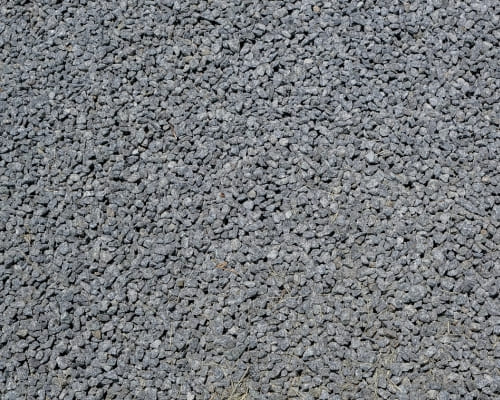
Concrete sealing falls into two families, and the right one depends on the surface and the look the owner wants. Penetrating sealers, built on siloxane or silane chemistry, soak into the pores and waterproof the slab from within while leaving the surface looking close to natural, with no film to peel. Topical sealers, most often a solvent-based or water-based acrylic, sit on top as a thin film that lifts colour and adds sheen, which is why they suit decorative work. That film is offered in a gloss, satin or matte finish, so a driveway can be left looking wet and rich or kept low-sheen to hide tyre marks.
Across the Goulburn Valley the surfaces that get sealed most are exposed aggregate driveways, where a coat deepens the stone and stops dust and oil lodging between the pebbles, and coloured or oxide-tinted concrete, where sealing is what holds the colour against 40-degree UV that otherwise fades it. Stamped and stencilled patios, pool surrounds and alfresco slabs are sealed to keep the pattern crisp, and plain broom-finished paths and shed floors are sealed to shut out moisture and efflorescence.
Where a driveway, pool edge or alfresco will be walked on wet, an anti-slip additive, a fine aluminium oxide or polymer grit, is stirred through the topcoat so the sheen does not become a hazard underfoot. The crew matches sealer type, sheen level and grit to each slab at the quote, because a high-gloss film that looks superb on a shaded Kialla patio can turn slick and hot on a fully exposed Mooroopna driveway. The finish is chosen to suit the surface, not sold as one size fits all.
Peak Concreting Shepparton
How Concrete Is Sealed to Last Through a Goulburn Valley Summer
A sealer is only as good as the preparation beneath it, and rushing the prep is the reason so many DIY and cut-price coats flake within a season. The crew starts by stripping any old failed sealer, then pressure-washing the slab to lift oil, dust and the fine Goulburn Valley grit that stops a coat bonding. Cracks and spalled edges are repaired first, because sealing over damage only locks the problem in.
Moisture is the next check. Fresh concrete must cure for at least 28 days before sealing, and the slab is tested so its moisture content sits below roughly five per cent, since sealing a damp slab traps water and causes the film to cloud or blister. On new pours the concreters book the seal for the following month rather than coat green concrete.
Application is done in two thin coats rather than one heavy one, each rolled or sprayed evenly and left to cure between coats, with a penetrating sealer worked in until the surface stops drinking it. Timing matters in a Shepparton summer: sealing is scheduled for the cool of the morning or a milder day, because a slab baking toward 40 degrees flashes the solvent off too fast and leaves bubbles and roller marks. The finished coat is kept off foot traffic for around 24 hours and vehicles for two to three days.
The recoat cycle is set out plainly at handover. A topical acrylic on an exposed driveway is generally recoated every two to three years, while a penetrating sealer can run five years or longer before it needs refreshing. Sealing is a maintenance rhythm, not a once-only job.
Peak Concreting Shepparton
Why Shepparton Owners Choose a Local Concreting Crew
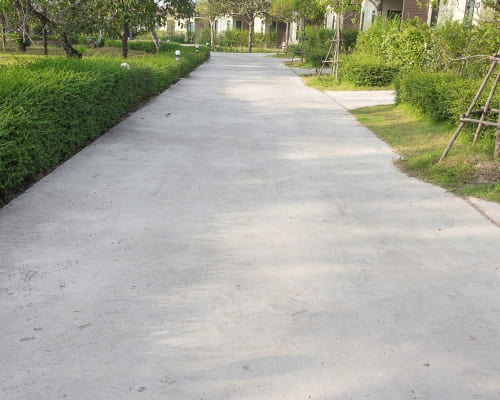
Sealing looks simple in a Bunnings aisle, which is exactly why so many Goulburn Valley slabs end up with a patchy, peeling film that costs more to strip than it did to apply. The failures are nearly always the same: a coat rolled over a damp or dusty slab, the wrong sealer on the wrong surface, or a single heavy layer that could not breathe.
Peak Concreting Shepparton has sealed and poured concrete across the region since 2012, so the crew reads a weathered 1980s exposed-aggregate driveway in central Shepparton or a new coloured slab on a Kialla Lakes estate block and matches the sealer, sheen and coat count to suit. The business is fully insured with twenty million dollars in public liability cover, works to the relevant Australian Standards, and puts the prep, product type and number of coats in the written quote rather than leaving them vague.
Because the same team pours, repairs and reseals, a tired driveway that needs a crack repair and a fresh coat is handled in one visit rather than split between trades. The moisture check, the anti-slip decision and the recoat interval are all explained upfront, which is the transparency locals say the region's cheaper operators skip.
That local track record also means the concreters know which sealers hold up on a given block, from a shaded south-facing patio in Mooroopna to a fully exposed rural driveway at Orrvale or Tatura that bakes every afternoon. One point of contact runs the job from the first inspection to the final coat, and the advice on when to reseal is honest rather than aimed at booking the next job early.
Peak Concreting Shepparton
What Concrete Sealing Costs in Shepparton
What sealing costs comes down to the surface size, its condition and the sealer chosen, so the figures below are an indicative guide only, ex GST, and every slab is quoted on site after inspection.
As a rough guide across the Goulburn Valley, a straightforward reseal of a sound plain or broom-finished slab with a water-based coat sits at the lower end per square metre, because the prep is minimal. A penetrating siloxane or silane sealer on an exposed aggregate driveway costs more per square metre, reflecting the product price and the extra coats the porous stone surface drinks. Decorative work, coloured or stamped concrete finished in a solvent-based gloss with an anti-slip additive, sits at the top of the range, since the finish is unforgiving and the grit and sheen have to be applied evenly.
Several things move the price. A slab carrying an old failed sealer needs stripping first, which adds labour. Oil-stained or heavily weathered surfaces need more washing and sometimes a repair before a coat will bond. Awkward access, tight pool surrounds and stairs all slow the work, and a first-time seal on porous concrete uses more product than a maintenance recoat.
The quote lists the sealer type, the number of coats and whether an anti-slip additive is included, so the owner can see what the price covers rather than comparing a bare per-metre rate against a cheaper coat that skips prep. Sealing early, before a slab weathers and stains, is almost always cheaper than restoring one that has been left bare through several Shepparton summers. A written quote is provided before any work starts.
Peak Concreting Shepparton
Penetrating vs Topical, and Sealed vs Unsealed
Two comparisons help owners decide, and both come up at nearly every Shepparton quote. The first is penetrating against topical. A penetrating sealer soaks in and waterproofs from within, leaves the concrete looking natural, will not peel, and lasts five years or more, which suits driveways and high-traffic slabs that need protection without a visible film. A topical acrylic sits on the surface as a film that lifts colour and adds a gloss or satin sheen, so it wins on decorative and coloured work, but it wears at tyre tracks and needs recoating every two to three years. Neither is better outright; they answer different jobs.
The second is sealed against unsealed. Bare concrete is porous, so across the Goulburn Valley it drinks up oil, drops rust from garden furniture, grows the white efflorescence bloom as salts wick out, and lets 40-degree UV bleach coloured and exposed aggregate surfaces year after year. On the reactive clay common through the region, water soaking into an unsealed slab also feeds the moisture movement that opens surface crazing.
A sealed slab sheds water and oil, wipes clean, holds its colour far longer, and resists the dusting and surface pitting that leaves old bare driveways looking chalky. The trade-off is the recoat cycle and the upfront cost, plus the need for an anti-slip additive where a glossy coat meets a wet, trafficked surface. For most Shepparton, Kialla and Mooroopna driveways the maths favours sealing, and the crew gives an honest read on whether a particular slab is worth coating or better left to breathe.
Related Concreting Services
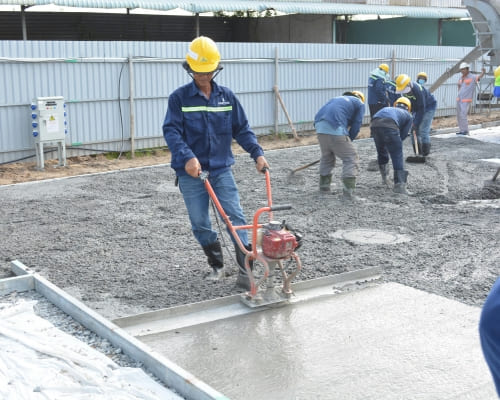
Exposed aggregate concrete for driveways, paths, alfrescos and pool surrounds across the Goulburn Valley, where the washed stone finish stays cooler underfoot, hides marks and grips when wet. Built on a compacted base with SL82 mesh, correctly timed exposure and two seal coats.
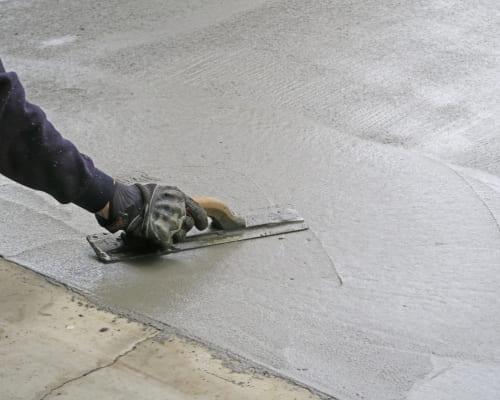
Solid through-colour, dry-shake hardener or surface stain, sealed to hold its colour against the Goulburn Valley sun. Coloured concrete for Shepparton driveways, paths, alfresco areas and pool surrounds, poured on a reactive-clay base with a fixed, itemised quote.
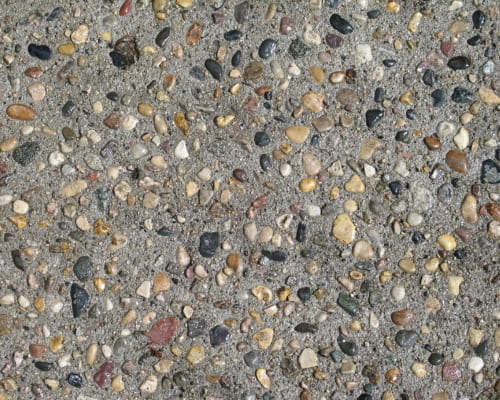
Exposed aggregate, coloured and plain concrete driveways built for Goulburn Valley reactive clay, with a compacted base, SL82 mesh and control joints cut so the slab moves without cracking. Across Shepparton, Mooroopna and Kialla.
TESTIMONIALS
What Our Concrete Sealing Customers Say About Us
The Process
3 Step Process For Your Concrete Sealing Needs

Free Quote
Peak Concreting Shepparton measures the site, checks the fall, access and ground, then sends a fixed written quote that includes the base, mesh and finish.

Prepare Pour
The crew strips and compacts the base, sets formwork and mesh, then pours the slab to the right thickness and mix for the job and the reactive clay.

Finish Cure
The concreters lay the chosen finish, cut control joints, and cure the slab so it gains strength without crazing in the Goulburn Valley heat.
Concrete Sealing In Shepparton
FREQUENTLY ASKED QUESTIONS
Everything you need to know about our Concrete Sealing In Shepparton
How much does concrete sealing cost in Shepparton?
Sealing is quoted per square metre and depends on the surface and its condition, so the figures are an indicative guide only, ex GST, confirmed on site. A reseal of a sound plain slab sits at the lower end, while a penetrating coat on exposed aggregate or a decorative gloss with an anti-slip additive costs more per metre. Stripping an old failed sealer, heavy oil staining or awkward pool-surround access all add to the price. Peak Concreting Shepparton lists the sealer type and coat count in the written quote so the price is clear before any work starts.
How often should a concrete driveway be resealed?
How often depends on the sealer chosen. A topical acrylic on an exposed Goulburn Valley driveway generally needs recoating every two to three years, because tyre traffic and 40-degree UV wear the film. A penetrating siloxane or silane sealer soaks into the slab and can run five years or longer before it needs refreshing. The crew notes the recoat interval at handover so the owner knows when to book a maintenance coat rather than waiting for the surface to fail.
How long should you leave new concrete before sealing it?
A fresh slab needs to cure for at least 28 days before it is sealed. Coating green concrete traps moisture and causes the sealer to cloud, blister or peel, so a new Shepparton pour is booked for the following month rather than sealed straight away. The slab is also moisture-tested first, with the reading kept below roughly five per cent before a coat goes down. An existing driveway that is dry and clean can usually be sealed as soon as prep and any repairs are done.
Is sealing a concrete driveway worth it?
For most Goulburn Valley slabs, yes. Bare concrete is porous, so it soaks up oil, stains with rust, grows white efflorescence and lets 40-degree UV fade coloured and exposed aggregate surfaces over time. A sealed driveway sheds water and oil, wipes clean and holds its colour far longer, which is why sealing early, before a slab weathers, is cheaper than restoring a bare one later. That said, the crew gives an honest read at the quote on whether a particular slab is worth coating or better left to breathe.
Will a sealed driveway be slippery when wet?
It does not have to be. A high-gloss topical sealer can become slick when wet, which is why an anti-slip additive, a fine aluminium oxide or polymer grit, is stirred through the topcoat on driveways, pool surrounds and any slab that will be walked on wet. A matte or satin sheen also grips better than a full gloss. The crew matches the sheen and grit to how the surface is used, so a Kialla pool edge is finished differently from a low-traffic feature slab.
What is the best method to seal concrete?
There is no single best sealer, only the right one for the surface. Penetrating siloxane and silane sealers suit driveways and high-traffic slabs because they waterproof from within, look natural and will not peel. Topical acrylics suit coloured, stamped and exposed aggregate work because the film lifts colour and adds sheen, though it needs recoating more often. Peak Concreting Shepparton matches the sealer type, sheen and coat count to each slab at the quote rather than applying one product to everything.
Request A Free Concrete Sealing Quote
BUSINESS
SERVICES
OPERATING HOURS
Sun: 7:00am - 9:00pm
Mon: 7:00am - 9:00pm
Tue: 7:00am - 9:00pm
Wed: 7:00am - 9:00pm
Thu: 7:00am - 9:00pm
Fri: 7:00am - 9:00pm
Sat: 7:00am - 9:00pm