Concrete Paths & Footpaths In Shepparton
Concrete Paths & Footpaths Experts
Trusted concreting in Shepparton, with quality finishes, fair pricing and over 12 years of Goulburn Valley experience
A concrete path is one of the smaller concreting jobs on a Shepparton block, yet on the region's reactive clay it still cracks and lifts when it is poured thin, without mesh or without a proper fall.
Peak Concreting Shepparton lays garden paths, side-access paths, wheelchair and ramp access, connecting walkways and council footpaths across Shepparton, Mooroopna, Kialla and the wider Goulburn Valley, each built on a compacted crushed-rock base at around 100mm with SL72 mesh and control joints so the finished slab handles the shrink-swell clay and the 40-degree summers without heaving. The surface is given a slip-resistant broom finish that grips on the wet and frosty mornings the valley gets through winter, and a cross-fall is set so water sheds away from the house rather than pooling on the path.
Peak Concreting Shepparton
The Concrete Paths and Footpaths Poured Across Shepparton
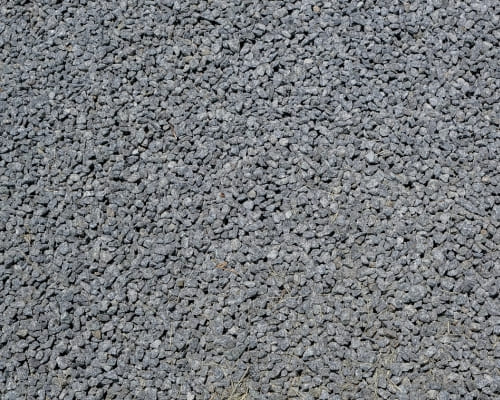
A concrete path does more than link two points, and around a Shepparton home the right path solves access, drainage and everyday wear all at once. The finish and the layout are set at the quote to suit the block, the garden and how much foot traffic the path will carry.
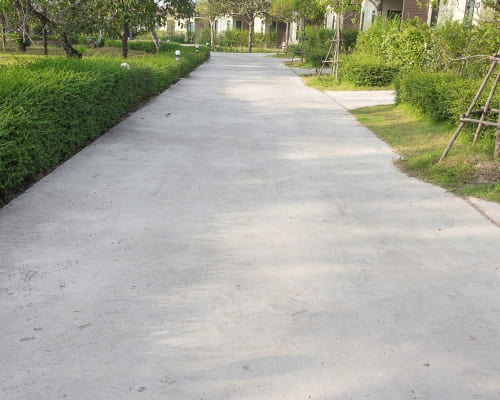
Garden paths and connecting paths are the most common request across Shepparton and Mooroopna, tying the front gate to the door, the back step to the shed, or the clothesline to the alfresco without turning the lawn to mud through a wet Goulburn Valley winter. Side-access paths down the tight run between a house and the boundary fence are poured wide enough for a wheelie bin, a mower or a trailer, with a fall set away from the wall so water never sits against the footings.
Wheelchair and ramp access is a frequent job on the older weatherboard homes closer to town, where a gently graded path and a compliant ramp gradient replace worn steps and let residents reach the street safely. Decorative path finishes, from exposed aggregate to a coloured or stencilled surface, lift a plain walkway into a feature that matches the driveway and the house.
Council footpath and nature-strip works along the boundary are also handled to the Greater Shepparton City Council specification, so the public footpath ties cleanly into the private path at the property line. Whatever the type, the slab beneath is built the same careful way, because a path that looks the part but heaves at the first joint helps nobody.
Peak Concreting Shepparton
How a Path Is Built to Handle Goulburn Valley Reactive Clay
Across the Goulburn Valley the ground is reactive clay that swells through the wet winters and shrinks hard in the dry, and that seasonal movement is what lifts and cracks a path that was thrown down without a base or reinforcement.
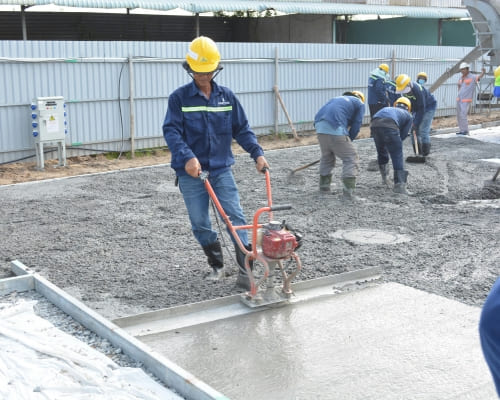
The crew starts by stripping the topsoil and grass, trimming the subgrade and rolling in a compacted crushed-rock base so the path bears evenly rather than bridging soft spots. A residential path is poured at around 100mm, with SL72 reinforcing mesh set on bar chairs in the top third of the slab so it holds the cracking that clay movement forces into neat, controlled lines. Control joints are saw-cut or tooled roughly every metre and a half to two metres along a path, closer than on a driveway, because a narrow slab needs joints spaced tighter to stay sound.
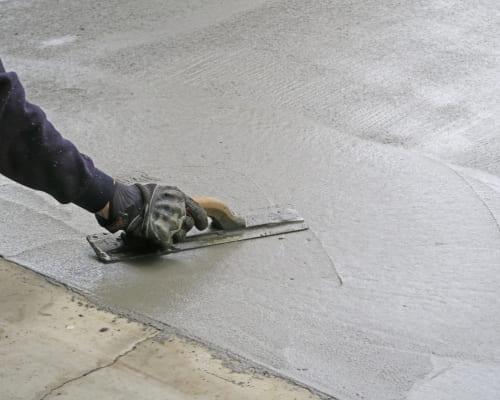
A cross-fall of about one in a hundred is set so rain sheds to the garden or the lawn instead of pooling on the surface or running back at the house. The surface is given a slip-resistant broom finish drawn across the fall, which grips underfoot on the wet and frosty mornings the region gets through winter, and a smoother trowelled band can be left where a mower wheel or a bin needs to run. On the hottest 40-degree days the fresh slab is cured with a compound or a cover so it does not dry too fast and craze.
Isolation joints are placed where the path meets the house slab, a step or a driveway so the elements move independently, which is the detail that keeps a path flat across a decade of Goulburn Valley seasons.
Peak Concreting Shepparton
Why Shepparton Homeowners Choose a Local Path Crew
Concreting is unforgiving because the mistakes are buried and only surface a year or two later as a cracked, lifting path, and the complaint locals raise most is the operator who poured thin, skipped the mesh or never cut a joint.
Peak Concreting Shepparton has poured paths and footpaths across the Goulburn Valley since 2012, so the crew reads a Mooroopna flood-fringe block or a newer Kialla Lakes estate slab on sight and builds the base and the joint spacing to suit. The team is fully insured with twenty million dollars in public liability cover, works to the relevant Australian Standards, and writes the base depth, the 100mm slab thickness, the SL72 mesh and the joint spacing into the quote rather than leaving them vague.
The reactive-clay preparation, the fall for drainage, the slip finish and the curing are all explained upfront, which is exactly the transparency the region's concreters are known for skipping on a job as small as a path. One point of contact runs the work from the first measure to the last cut joint, and the site is cleaned and the disturbed lawn edge reinstated before the crew leaves.
That local track record also means the concreters know which finishes hold up where, from a shaded side-access path in central Shepparton that stays damp to a fully exposed connecting path at Grahamvale or Orrvale that bakes in the afternoon, and they match the mix, finish and curing to the spot rather than pouring every path the same. The same eye is brought to homes at Kialla, Congupna and Tatura, where the block, the fall and the soil all shift the way a path is best built.
Peak Concreting Shepparton
What a Concrete Path Costs in Shepparton
As an indicative guide only, an installed concrete path in the Shepparton area runs about $70 to $100 per square metre for a plain or broom finish, roughly $100 to $150 per square metre for exposed aggregate, and around $90 to $140 per square metre for a coloured or stencilled surface, all ex GST and subject to an on-site measure.
Width and access are real drivers on a path. A tight side-access run between a house and the fence, where a mixer cannot reach and every barrow is wheeled in by hand, costs more per square metre than an open, straight garden path a truck can pour beside. The base is the other driver: a soft, low or tree-root-affected route needs more excavation, fill and compaction before a slab can go down.
Ramp and access work, extra excavation and any council footpath or crossover section are quoted as separate line items so the figure stays clear rather than buried in a single lump. Because the reactive-clay base preparation and the mesh are exactly what a cut-price quote leaves out, the cheapest number is rarely the cheapest path once it cracks and has to be re-poured.
A measured quote on 0485 032 128 is the only accurate figure for a specific path, and payment is staged against real milestones, the base and formwork first, then the pour and finish, so the cost tracks the work actually done on the ground. A longer garden path or a run that ties into an existing driveway or footpath is measured on site as well, because the tie-ins and the extra formwork change the figure more than the length alone.
Peak Concreting Shepparton
Concrete Paths Compared With Pavers and Gravel
A path can be built in concrete, laid in pavers or spread as gravel, and the right choice comes down to how long it needs to last, the budget and how much upkeep the owner wants to take on.
A poured concrete path is the most durable of the three and the lowest maintenance once cured, giving a single continuous surface with no gaps for weeds, no loose stones and nothing to lift, which is why it suits wheelchair and pram access and a wet Goulburn Valley winter. It costs more up front than gravel and takes a few days to pour and cure, but it is walked on for decades with little more than an occasional hose down and a reseal on a decorative finish.
A paver path sits in the middle: it looks handsome and a single cracked unit can be swapped out, but the sand-bedded joints work loose and grow weeds on reactive clay, individual pavers rock and lift with ground movement, and the labour to lay them well often lands the price near concrete anyway. Gravel is the cheapest and quickest to spread, though it scatters onto the lawn, washes out on any fall, turns to mud in the wet and is near impossible to push a wheelchair or a loaded bin across.
For a path that has to stay flat, safe and low-fuss through the region's clay and its 40-degree summers, a reinforced concrete path is usually the soundest long-term value, and the finish is chosen at the quote to match the look the owner is after.
Related Concreting Services
Exposed aggregate, coloured and plain concrete driveways built for Goulburn Valley reactive clay, with a compacted base, SL82 mesh and control joints cut so the slab moves without cracking. Across Shepparton, Mooroopna and Kialla.
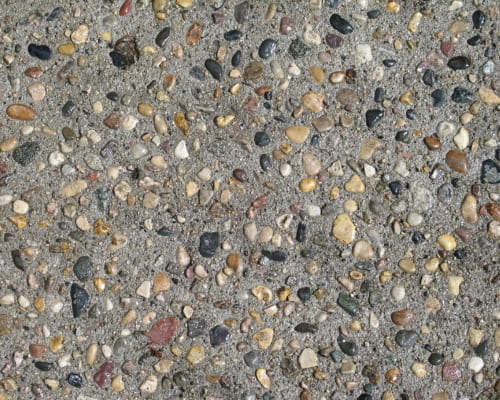
Exposed aggregate concrete for driveways, paths, alfrescos and pool surrounds across the Goulburn Valley, where the washed stone finish stays cooler underfoot, hides marks and grips when wet. Built on a compacted base with SL82 mesh, correctly timed exposure and two seal coats.
Garden mower strips, decorative edging and driveway kerbs poured across Shepparton, Mooroopna and Kialla. Machine-extruded or hand-formed on a compacted crushed-rock base, reinforced and cured so the edge holds its line through Goulburn Valley reactive clay and 40-degree summers.
TESTIMONIALS
What Our Concrete Paths & Footpaths Customers Say About Us
The Process
3 Step Process For Your Concrete Paths & Footpaths Needs

Free Quote
Peak Concreting Shepparton measures the site, checks the fall, access and ground, then sends a fixed written quote that includes the base, mesh and finish.

Prepare Pour
The crew strips and compacts the base, sets formwork and mesh, then pours the slab to the right thickness and mix for the job and the reactive clay.

Finish Cure
The concreters lay the chosen finish, cut control joints, and cure the slab so it gains strength without crazing in the Goulburn Valley heat.
Concrete Paths & Footpaths In Shepparton
FREQUENTLY ASKED QUESTIONS
Everything you need to know about our Concrete Paths & Footpaths In Shepparton
How much does it cost to lay a concrete path in Shepparton?
As an indicative guide only, a plain or broom-finished path runs about $70 to $100 per square metre, exposed aggregate about $100 to $150, and a coloured or stencilled surface about $90 to $140, all ex GST and subject to an on-site measure. Width, access and how much excavation the route needs are the main drivers, and any ramp or council footpath section is quoted separately. Peak Concreting Shepparton gives a measured quote on 0485 032 128, which is the only accurate figure for a specific path.
How thick should a concrete path be?
A residential path is usually poured at around 100mm on a compacted crushed-rock base, with SL72 reinforcing mesh set on bar chairs to control cracking. On the Goulburn Valley's reactive clay that thickness and reinforcement matter, because a thin, unreinforced path lifts and cracks within a few seasons of the ground swelling and shrinking. Where a path has to carry a trailer or a ride-on mower it is stepped up thicker and the base is built up to suit the load.
Are concrete paths slippery when wet or frosty?
A properly finished path is not slippery, because the surface is given a broom finish that is drawn across the fall to leave a fine grip in the concrete. That texture holds underfoot on the wet and frosty mornings the region gets through winter, which is when a smooth trowelled surface would be treacherous. A cross-fall is also set so water sheds off quickly rather than sitting on the path, and a decorative finish such as exposed aggregate grips well too.
How long does it take to lay a concrete path?
Most residential paths are formed and poured within one to three days on site, depending on the length, the access and how much excavation the route needs. The concrete then cures over the following days, and light foot traffic is generally fine after a couple of days while the slab keeps gaining strength for several weeks. A tight side-access run poured by hand barrow takes longer than an open path a truck can reach, and wet weather can push the pour back to protect the finish.
Is a concrete path cheaper than pavers or gravel?
Gravel is the cheapest to lay but the least durable, scattering onto the lawn and washing out on any fall, while pavers look handsome but often cost close to concrete once the labour to lay and bed them is counted. A poured concrete path costs more up front than gravel, yet it lasts decades with almost no upkeep, has no joints for weeds and stays flat for wheelchair and pram access. Over the life of the path the reinforced concrete option is usually the soundest value on the region's reactive clay.
Can a concrete path be trusted not to crack on Shepparton's clay?
No path is guaranteed crack-free, but control joints are cut so any movement is drawn into neat, planned lines rather than random breaks across the face. The reactive clay of the Goulburn Valley is managed with a compacted base, SL72 mesh at around 100mm and a fall for drainage, which is what keeps a path flat for decades. Peak Concreting Shepparton has poured paths across the region since 2012, is fully insured with twenty million dollars in public liability cover, and writes the base, thickness and joint spacing into the quote.
Request A Free Concrete Paths & Footpaths Quote
BUSINESS
SERVICES
OPERATING HOURS
Sun: 7:00am - 9:00pm
Mon: 7:00am - 9:00pm
Tue: 7:00am - 9:00pm
Wed: 7:00am - 9:00pm
Thu: 7:00am - 9:00pm
Fri: 7:00am - 9:00pm
Sat: 7:00am - 9:00pm