Concrete Kerbs & Edging In Shepparton
Concrete Kerbs & Edging Experts
Trusted concreting in Shepparton, with quality finishes, fair pricing and over 12 years of Goulburn Valley experience
Concrete kerbs and edging are the finishing touch that keeps a Shepparton garden tidy and holds a driveway base in shape, and on the Goulburn Valley's reactive clay they only last when they are built on a proper base rather than run straight onto soil.
Peak Concreting Shepparton pours garden mower strips, decorative edging and reinforced driveway kerbs across Shepparton, Mooroopna, Kialla, Grahamvale, Congupna and Tatura, each laid on a compacted crushed-rock base with control joints and cured against the summer heat. Machine-extruded profiles suit long straight garden runs, while hand-formed kerbing handles curves, steps and load-bearing driveway edges. Every run is quoted on site by the lineal metre, with the profile, the base and any reinforcement set out in writing. Call 0485 032 128 for a measured quote.
Peak Concreting Shepparton
The Kerbs and Edging Poured Across Shepparton
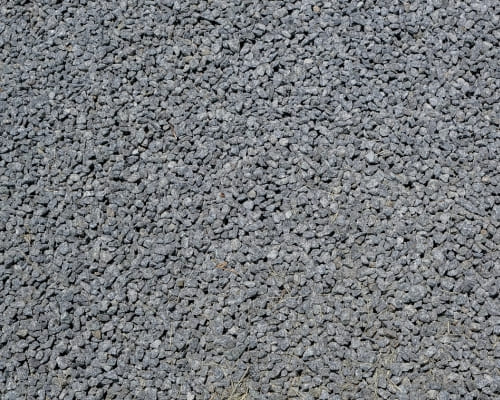
Concrete kerbing and edging covers a spread of jobs on a Goulburn Valley block, and the profile is chosen at the quote to suit the garden, the driveway and how the edge will be used.
Garden bed edging is the most common request across Shepparton, a low mowing strip run along lawns and beds so the mower wheel rides the concrete and the grass stops spreading into the mulch. Mower strips do the same along fence lines and paths, cutting out the whipper-snipper work that a raw edge forces. Driveway kerbs are the heavier end of the range, a raised or flush edge that holds a gravel or exposed-aggregate driveway together and stops the base washing out on Kialla Lakes and Grahamvale estate blocks. The edge itself is formed one of two ways. A machine-extruded kerb is laid by a kerbing machine that presses a continuous mowing-strip or barrier profile straight onto the prepared ground, ideal for long garden runs. A hand-formed kerb is boxed with timber formwork and poured to shape, the choice for tight curves, steps, custom widths and any edge carrying real load. Decorative profiles finish the surface: a plain trowelled edge, an exposed-aggregate strip that matches the driveway, a coloured oxide run in a charcoal or sandstone tone, or a stencilled top. The crew pours all of it across Shepparton, Mooroopna, Kialla, Congupna and Tatura, from a single garden run on an older township weatherboard home to full driveway kerbing on a new estate build. The right profile depends on the load, the look and the ground it sits on, weighed up on site.
Peak Concreting Shepparton
How Kerbing Is Built to Beat the Goulburn Valley's Reactive Clay
Across the Goulburn Valley the ground is reactive clay that swells through wet winters and shrinks hard in a 40-degree summer, and that movement is what lifts and cracks an edge poured straight onto bare soil.
Solid kerbing starts with the base: the line is trimmed, the topsoil and loose fill are stripped, and a compacted crushed-rock base is laid so the edge bears evenly instead of riding the clay. From there the build follows the profile. A machine-extruded garden edge is run in a low-slump mix straight onto the base in one continuous pass, which suits long mowing strips and gives a clean rounded profile with no formwork. A hand-formed kerb is boxed with timber formwork, poured to shape and finished by hand, the method for driveway kerbs, curves and any edge that has to carry weight. Reinforcement is matched to the job: a light garden strip is poured plain or with a single N12 bar through it, while a driveway kerb or a longer run gets steel through the section so it holds the line as the clay moves. A 25 to 32 MPa mix is chosen to the load. Control joints are tooled or saw-cut at regular spacings along the run so the concrete cracks on the joint rather than randomly, the same discipline that keeps a slab intact. In the Shepparton heat the fresh edge is cured with a compound or cover so it gains strength without drying too fast and crazing. Done this way, the edge stays put through the wet-dry cycle that moves everything else on the block.
Peak Concreting Shepparton
Why Shepparton Homeowners Choose a Local Concreting Crew
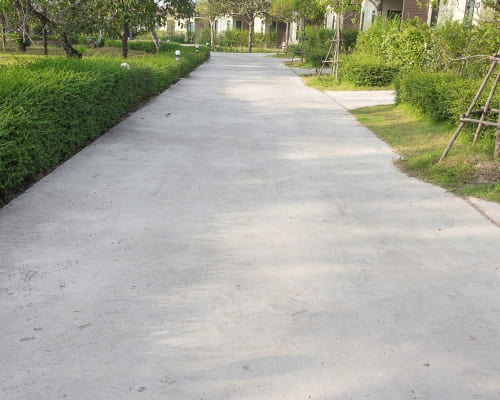
Kerbing looks simple, but a poorly poured edge shows its faults fast, lifting off the clay, cracking between joints that were never cut, or crumbling where the mix was too wet and the base too thin.
The complaint locals raise most is the edge run straight onto soil with no base and no reinforcement, which heaves within a season or two on Goulburn Valley clay. Peak Concreting Shepparton has poured kerbing and edging across the region since 2012, so the crew reads a Mooroopna garden run, a rural Congupna driveway edge or a Kialla Lakes estate mowing strip on sight and builds the base and profile to suit. The same team that pours driveways, paths and slabs across Shepparton pours the edging, which means the kerb is set to the right fall, tied into the driveway or path it borders, and finished to match rather than treated as an afterthought. Quotes are measured on site by the lineal metre and set out in writing, with the profile, the reinforcement and the base spelled out so there are no surprises once the machine or the formwork goes in. Older weatherboard and brick township homes get an edge that tidies a tired garden, and new estate builds in Grahamvale and Kialla get kerbing that holds a fresh driveway and lawn in shape from day one. Rubbish is carted off, the ground is left clean, and the run is cured before the crew leaves the site. That local track record across the Goulburn Valley is why homeowners hand the whole edge to a crew that has done it here for over a decade.
Peak Concreting Shepparton
What Concrete Kerbing and Edging Costs in Shepparton
As an indicative guide only, installed concrete edging in the Shepparton area runs about $40 to $70 per lineal metre for a plain machine-extruded garden strip or mower edge, roughly $60 to $100 per lineal metre for an exposed-aggregate or coloured decorative profile, and more again for a reinforced driveway kerb or a hand-formed run with tight curves, all ex GST and subject to an on-site measure.
The profile is a real driver: a continuous machine-extruded mowing strip is quicker to lay than a boxed hand-formed kerb, so a long straight garden run costs less per metre than a short curved or load-bearing edge. Access matters too, since a machine needs a clear line to run, and tight or terraced gardens push the work toward hand-forming. The base counts as much as the edge itself, because stripping and compacting a crushed-rock base adds cost but is what stops the run lifting on reactive clay, and skipping it is a false economy that shows up as cracking within a couple of seasons. Reinforcement, decorative finishes such as exposed aggregate or an oxide colour, and the total length all move the figure, and shorter runs carry a higher rate per metre because setup and curing take the same effort regardless of length. These figures are a general guide for the Goulburn Valley, not a fixed price, and every job is quoted on the actual run after the line, the profile and the ground are measured on site. Call 0485 032 128 for a measured quote on your garden or driveway edging, set out by the lineal metre with the base and reinforcement itemised.
Peak Concreting Shepparton
Concrete Edging Compared With Timber, Steel and Paver Edging
Concrete edging is one of several ways to edge a garden or driveway, and each option trades cost against how long it lasts.
Timber edging is the cheapest to install and looks natural against a garden, but treated pine and hardwood sleepers rot, warp and shift over time, and on the Goulburn Valley's wet-dry clay a timber edge rarely holds its line past a decade. Steel edging gives a thin, sharp modern line and installs quickly, though it dents underfoot, can rust at the cut ends without a quality coating, and offers no real barrier for a driveway or a mower wheel to ride. Paver or brick edging looks solid and can be lifted and reset, but each unit is bedded and jointed individually, so weeds push through the joints, individual pavers lift on moving clay, and the labour to lay a long run climbs. A poured concrete edge is one continuous piece with no joints for weeds or roots to find, it carries a mower wheel and holds a driveway base without moving, and an extruded or hand-formed profile cured on a compacted base lasts decades with no maintenance beyond an occasional clean. It costs more up front than timber or steel, and it cannot be repositioned once set, so the line is worth setting out carefully at the quote. For most Shepparton gardens and driveways the concreters recommend a poured edge where the run is permanent and load or longevity matters, and they will say plainly when a cheaper edge would do the job for a temporary or purely decorative border.
Related Concreting Services
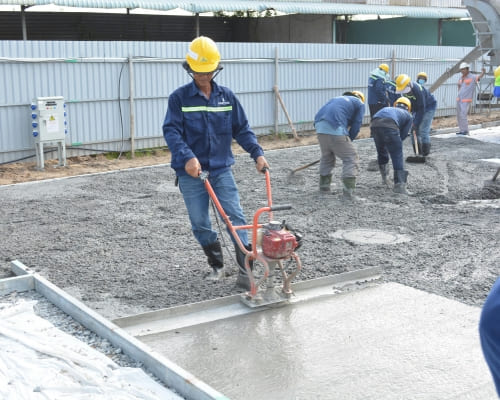
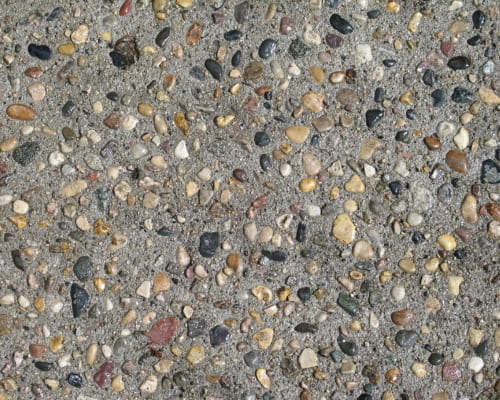
Exposed aggregate, coloured and plain concrete driveways built for Goulburn Valley reactive clay, with a compacted base, SL82 mesh and control joints cut so the slab moves without cracking. Across Shepparton, Mooroopna and Kialla.
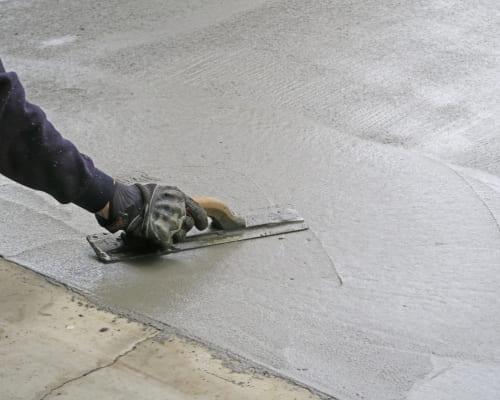
Garden paths, side-access runs, wheelchair ramps and connecting footpaths poured for Goulburn Valley reactive clay, each built on a compacted base with SL72 mesh, control joints and a slip-resistant broom finish across Shepparton, Mooroopna and Kialla.
Concrete sleeper, core-filled besser block and poured reinforced retaining walls built for Goulburn Valley reactive clay, each on an engineered footing with an ag-drain and aggregate drainage layer behind it. Across Shepparton, Mooroopna, Kialla and the surrounding towns.
TESTIMONIALS
What Our Concrete Kerbs & Edging Customers Say About Us
The Process
3 Step Process For Your Concrete Kerbs & Edging Needs

Free Quote
Peak Concreting Shepparton measures the site, checks the fall, access and ground, then sends a fixed written quote that includes the base, mesh and finish.

Prepare Pour
The crew strips and compacts the base, sets formwork and mesh, then pours the slab to the right thickness and mix for the job and the reactive clay.

Finish Cure
The concreters lay the chosen finish, cut control joints, and cure the slab so it gains strength without crazing in the Goulburn Valley heat.
Concrete Kerbs & Edging In Shepparton
FREQUENTLY ASKED QUESTIONS
Everything you need to know about our Concrete Kerbs & Edging In Shepparton
How much does concrete edging cost in Shepparton?
As a guide only, a plain machine-extruded garden edge or mower strip runs about $40 to $70 per lineal metre, a decorative exposed-aggregate or coloured profile about $60 to $100, and a reinforced driveway kerb more again, all ex GST and subject to an on-site measure. The profile, the length of the run, the base preparation and any reinforcement are the main drivers, and shorter runs carry a higher rate per metre because setup and curing take the same effort regardless of length. Call 0485 032 128 for a measured quote by the lineal metre on your edging.
Should the edge be machine-extruded or hand-formed?
Machine-extruded kerbing is pressed onto the prepared base in one continuous pass, which suits long straight garden runs and mowing strips and keeps the cost per metre down. Hand-formed kerbing is boxed with timber formwork and poured to shape, which is the choice for tight curves, steps, custom widths and any driveway edge that carries load. Access decides a lot, since the machine needs a clear line to run, so tight or terraced gardens push the work toward hand-forming. The crew recommends the right method for the run at the on-site measure.
How long does concrete edging last on Goulburn Valley clay?
A poured concrete edge built on a compacted crushed-rock base, with reinforcement through the driveway sections and control joints along the run, lasts for decades with little more than an occasional clean. The reactive clay across the valley swells and shrinks with the seasons, so the base and the joints are what keep the edge from lifting or cracking, not the concrete alone. An edge poured straight onto bare soil with no base is the one that heaves within a season or two. Curing the fresh concrete in the Shepparton heat also stops early crazing and helps it reach full strength.
How long does it take to install garden edging?
Most residential edging jobs are finished in a day or two, depending on the length of the run and whether it is machine-extruded or hand-formed. A long straight garden strip laid by machine goes in quickly once the base is trimmed and compacted, while boxed hand-formed kerbing with curves takes longer to set out and pour. The edge is usually safe to leave alone after a day, though it keeps gaining strength over the following days as it cures. The crew confirms the timing for the specific run at the quote.
Is it spelled kerb or curb?
In Australia the raised or flush concrete edge along a driveway, garden or road is spelled kerb, following British English, while curb is the American spelling for the same thing. Locally the terms kerbing, edging and mowing strip are often used for the same residential job, a poured concrete edge that tidies a garden or holds a driveway base. Whatever it is called, the build is the same across the Goulburn Valley: a compacted base, the right profile, reinforcement where load demands it, and control joints so it moves with the clay. The team quotes garden edging, mower strips and driveway kerbs on the same basis.
Is concrete edging better than timber or steel edging?
For a permanent edge that carries a mower wheel or holds a driveway base, a poured concrete edge outlasts both, since it is one continuous piece with no joints for weeds to find and it does not rot like timber or dent and rust like steel. Timber edging is cheaper up front but rarely holds its line past a decade on the wet-dry clay, and steel gives a thin modern line but offers little as a barrier. Concrete costs more to install and cannot be repositioned once set, so it suits runs that are permanent rather than temporary. Peak Concreting Shepparton will say plainly when a cheaper edge would do a purely decorative border.
Request A Free Concrete Kerbs & Edging Quote
BUSINESS
SERVICES
OPERATING HOURS
Sun: 7:00am - 9:00pm
Mon: 7:00am - 9:00pm
Tue: 7:00am - 9:00pm
Wed: 7:00am - 9:00pm
Thu: 7:00am - 9:00pm
Fri: 7:00am - 9:00pm
Sat: 7:00am - 9:00pm